

What Is Digital Transformation Strategy? Complete Walkthrough 2026 | Captivix
Complete Walkthrough 2026

Digital transformation strategy is the roadmap for making your business digital. It is used by companies across industries to guide the incorporation of technology into their operations. This practice is becoming a necessity for organizations seeking faster operations, improved efficiency, and a competitive edge in the modern marketplace.
What is a Digital Transformation Strategy?
A digital transformation strategy is a plan of action to leverage technology to fundamentally change your operations, processes, products, and services. It's about creating a better version of your company — one that is more efficient, innovative, and responsive to market demands.
The goal is to embrace the opportunities that digital technologies present and adapt to changing customer needs and expectations. Consultants see it as an opportunity to reconstruct businesses with new models, while the technology industry views it as using technology for tasks that are currently processed manually.

What is Digital Business?
A digital business is an innovative, flexible, and efficient organization that leverages technology at every level. It doesn't start from scratch but rather enhances present resources and processes through digital tools and strategies.
What separates a digital business from a normal business is its ability to strategize well and adapt quickly to changing market conditions. A digital business prioritizes customer demands and key stakeholders while maintaining active leadership that guides the entire team toward digital excellence.
What makes a good Digital Transformation Strategy?
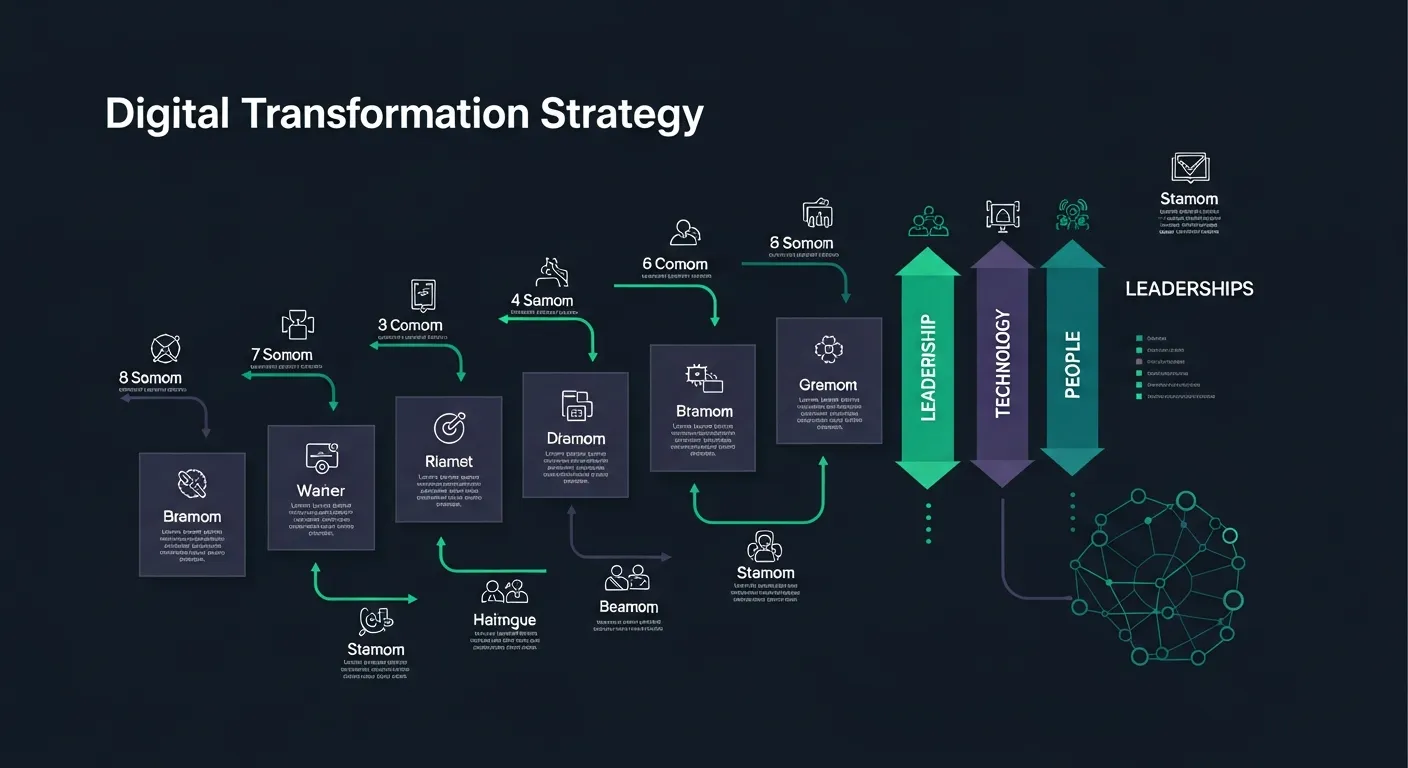
A good digital transformation strategy is built on three major components that work together to drive meaningful change across your organization:
- Strategy: A clear set of real, achievable goals that align with your business objectives and provide a measurable path forward for your digital initiatives.
- Technology: The tools and platforms you select must cater to customer needs and satisfaction, ensuring that every technology investment delivers tangible value.
- People: Customers are your priority. Your strategy must be centered around improving the customer experience and empowering your workforce to deliver on that promise.
Who Should Be Involved in Creating the Digital Transformation Strategy?
Creating a successful digital transformation strategy requires the right people in the right roles. Here are the key stakeholders who should be involved:
- Communications Specialist: Communication is crucial in any transformation initiative. A team that communicates well performs well, and a dedicated communications specialist ensures that all stakeholders remain aligned and informed throughout the process.
- Experienced Technologist: You need someone who can manage the most important aspect of the transformation — new technology. An experienced technologist evaluates, selects, and oversees the implementation of digital tools and platforms.
- Good Leader: A strong leader who can lead the project with efficacy and drive a data-driven strategy is essential. This person sets the vision, motivates the team, and ensures accountability at every stage.
7 Steps to Build a Digital Transformation Strategy
Building a digital transformation strategy requires a structured, step-by-step approach. Follow these seven steps to create a strategy that delivers real results:
- Understand the Need for Digital Transformation: Assess your current business processes and identify areas where digital solutions can drive improvement, efficiency, and competitive advantage.
- Get Ready for Cultural Change: Digital transformation is as much about people as it is about technology. Prepare your organization for the cultural shifts that come with adopting new tools and workflows.
- Be Strategic in Your Approach: Don't try to transform everything at once. Prioritize initiatives based on business impact, feasibility, and alignment with your overall objectives.
- Draft a Roadmap for Technology Implementation: Create a detailed roadmap that outlines which technologies you'll adopt, when you'll implement them, and how they'll integrate with your existing systems.
- Find Partners and Seek Expertise: Identify strategic partners who can provide the expertise, tools, and support you need to execute your transformation successfully.
- Collect Feedback and Define KPIs: Establish key performance indicators to measure progress and collect feedback from stakeholders to ensure your strategy stays on track.
- Start the Transformation: With your strategy in place, begin executing your plan methodically, monitoring results, and making adjustments as needed.
8 Components of a Digital Transformation Strategy
A comprehensive digital transformation strategy must include these eight essential components to ensure success:

- 1. Strategy and Leadership: Strong leadership and a clear strategic vision are the foundation of any successful digital transformation initiative.
- 2. Cultural Change and Communication: Foster a culture that embraces change and ensure transparent communication throughout the organization to drive adoption and engagement.
- 3. Develop Processes: Redesign and optimize your business processes to take full advantage of digital tools and capabilities.
- 4. Selecting Data: Not all data is relevant. Identify and prioritize the data that matters most to your business decisions and transformation goals.
- 5. Technology: Choose the right technology stack that aligns with your business objectives and can scale as your organization grows.
- 6. Structure of the Team: Organize your team in a way that supports cross-functional collaboration and empowers individuals to drive digital initiatives forward.
- 7. Partners: Evaluate the credentials of potential partners carefully. The right partners can accelerate your transformation and bring valuable expertise to the table.
- 8. Results: Assess success at every stage. Define clear metrics and regularly evaluate whether your transformation efforts are delivering the expected outcomes.
Types of Digital Transformation Strategies
Digital transformation strategies can take different forms depending on your organization's priorities and goals. Here are the three main types:
- Business Transformation Strategy: Designed for companies that are keen on being up-to-date with market trends and competitive dynamics. This strategy focuses on transforming business models, revenue streams, and customer engagement approaches.
- Technology Transformation Strategy: Focused on implementing the best technology solutions to modernize infrastructure, automate processes, and enhance digital capabilities across the organization.
- People Transformation Strategy: Recognizes that human resources are the most valuable and dynamic resource in any organization. This strategy focuses on upskilling employees, fostering digital literacy, and building a culture of innovation.
How can I measure ROI on digital transformation?
Measuring the return on investment for digital transformation initiatives requires a thoughtful, multi-faceted approach. Here are the key strategies for tracking ROI effectively:
- Set Initial Metrics Beforehand: Establish baseline metrics before you begin your transformation, even if they are hypothetical. This gives you a reference point to measure progress against.
- Develop Micro-Metrics: Create smaller, granular metrics for experimenting with Agile methodologies. These micro-metrics allow you to track incremental progress and make rapid adjustments.
- Involve Business Outcomes: Tie your transformation metrics directly to business outcomes such as revenue growth, cost reduction, customer satisfaction, and operational efficiency.
- Look at Strategic and Operational Impact: Evaluate both the strategic impact (market positioning, competitive advantage) and operational impact (process efficiency, productivity gains) of your transformation efforts.
- Keep Reviewing Metrics: Continuously review and adapt your metrics to improve measurement accuracy and ensure they remain aligned with your evolving business goals.
Is My Strategy Working?
To determine whether your digital transformation strategy is working, you need to know what you wanted to achieve initially. Only when you clearly understand your expectations can you accurately assess success.
First, understand where you wanted to reach when you set out on your transformation journey. Define the specific outcomes, milestones, and benchmarks that represent success for your organization. If you have reached that point — or are making measurable progress toward it — your strategy is working. If not, it's time to reassess, adjust, and realign your approach.
Takeaway
In this guide, we've explained what a digital transformation strategy is and how it can be beneficial for your organization. By following the seven steps outlined above, you can build a successful strategy that drives real results.
Remember that your strategy must incorporate all eight essential components — from strategy and leadership to results assessment. A step-by-step approach, combined with the right people, technology, and processes, brings positive results and positions your business for long-term success in the digital age.