

Digital Transformation in Retail 2026
Digital Transformation in Retail 2026

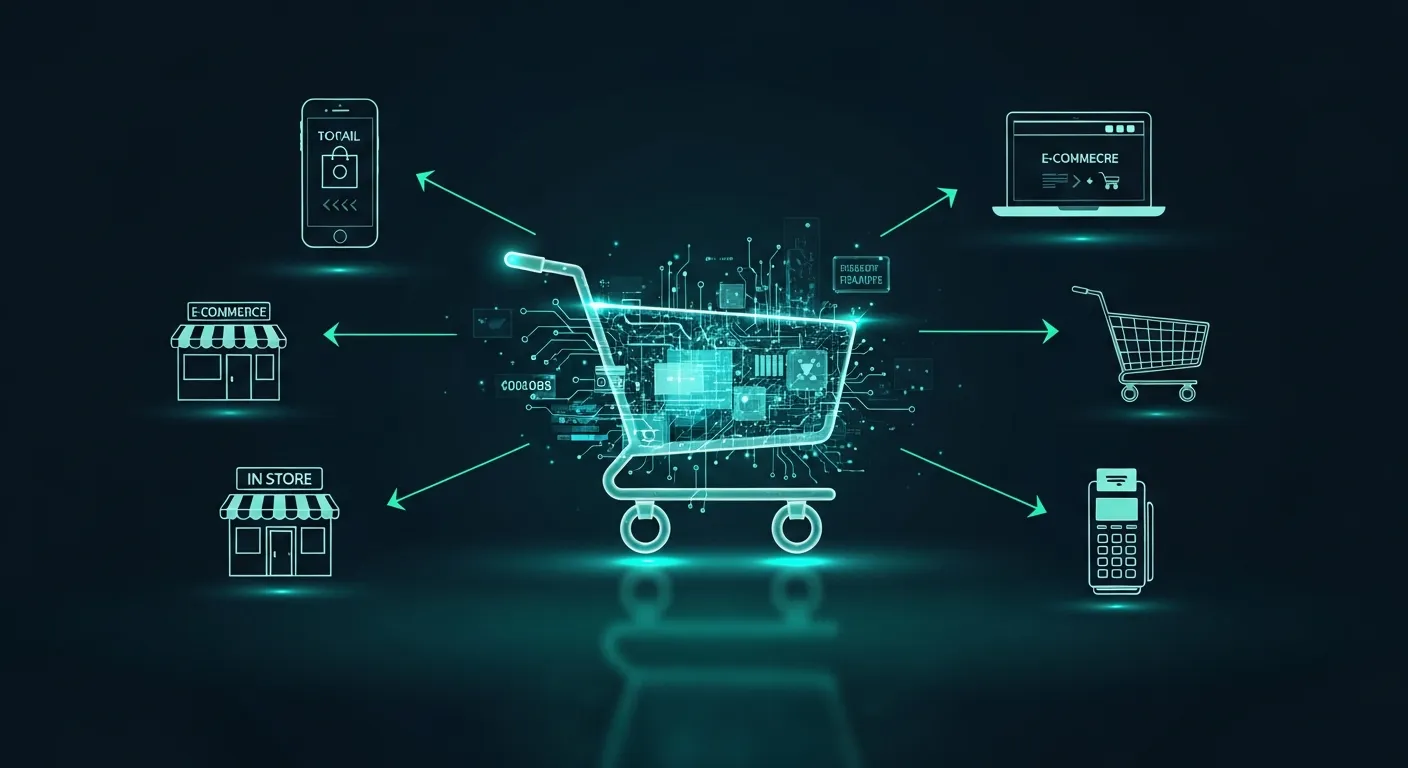
Digital transformation in retail is gaining traction due to the numerous benefits it offers. Companies across the globe are adopting digital solutions and earning significant profits as a result. From increasing sales to boosting customer satisfaction, digital transformation is reshaping the retail landscape. The changes in customer behavior since the pandemic have accelerated this shift, with a growing inclination toward online shopping driving retailers to embrace technology like never before.
What is Digital Transformation in Retail?
Digital transformation in retail refers to the incorporation of technology to make operations more efficient, cater to customer needs, and grow business. It involves modern techniques like contactless ordering, self-checkout systems, and AI-based product recommendations that enhance the shopping experience for customers while streamlining processes for retailers.
According to Gartner, "over half of consumer spending will happen online in the next two years, with approximately 60% of transactions occurring through mobile devices." This shift means retailers can access valuable customer data, analyze shopping behavior, and tailor their offerings accordingly. E-commerce and the internet are the primary forces driving this adoption, making digital transformation the need of the hour — one that directly boosts revenues and fuels business growth.
Importance for Retailers
Top retail companies are actively adopting digital solutions to enhance customer experience and satisfaction. According to Kitewheel, the majority of customers — approximately 447.2 million — interact with retailers through the web. This massive digital footprint underscores the importance of having a strong online presence.
Research shows that customers spend 4% more in-store compared to 10% more when shopping online, highlighting the revenue potential of digital channels. Additionally, there is an increasing demand for self-service options, with customers expecting seamless, technology-driven experiences that allow them to browse, compare, and purchase products on their own terms.
Key Trends in Digital Transformation in Retail
The retail industry is witnessing several key trends that are shaping the future of shopping. From e-commerce platforms to augmented reality, these trends are transforming how retailers engage with customers and manage their operations.
Adopting E-commerce Platforms
The internet has always been on people's side, and today it serves as the backbone of modern retail. Customers and retailers alike are buying and selling through online marketplaces at an unprecedented rate. As Benedict Evans noted, "Over the past three quarters, US e-commerce has grown as much as it normally would in three years." This explosive growth demonstrates the critical importance of establishing a robust e-commerce presence for any retail business looking to thrive in the digital age.
Omnichannel Retailing
Customers today prefer the flexibility of shopping both online and offline. Omnichannel retailing bridges this gap by connecting experiences across all touchpoints through digital solutions. Whether a customer starts their journey on a mobile app and completes their purchase in-store, or browses in a physical location before ordering online, omnichannel strategies ensure a seamless and consistent experience throughout the entire shopping journey.
Customization and Targeted Marketing
Modern technologies like 3D printing and voice assistants are enabling retailers to offer highly personalized products and experiences. The numbers speak for themselves: 20% of retailers have seen a 20% rise in sales by offering customized items, and 80% of customers prefer products that are tailored to their preferences. Targeted marketing powered by data analytics allows retailers to deliver the right message to the right customer at the right time, significantly improving conversion rates and customer loyalty.
Using AI and Machine Learning
Artificial intelligence and machine learning are helping retailers make smarter, data-driven decisions. These technologies enable businesses to personalize customer experiences, recommend products based on browsing and purchase history, and deploy intelligent chatbots that provide instant customer support. AI-powered analytics also help retailers optimize pricing, forecast demand, and identify emerging trends before their competitors.
Integrating AR and VR
Augmented reality (AR) and virtual reality (VR) are creating enhanced digital experiences that bridge the gap between online and in-store shopping. The "try and buy" technology allows customers to virtually try on products — from clothing and accessories to furniture and home decor — before making a purchase. This immersive approach has helped retailers gain significant profits by reducing return rates and increasing customer confidence in their purchases.
Benefits of Digital Transformation in the Retail Industry
Digital transformation offers a wide range of benefits that can help retailers stay competitive and grow their business in the modern marketplace:
- More customer retention: By analyzing customer behavior and trends, retailers can develop targeted strategies, customize experiences, and offer personalized products that keep customers coming back.
- Market Insights: Digital tools allow retailers to analyze customer data more effectively, uncovering valuable insights that inform business strategy and product development.
- Better marketing campaigns: With the ability to customize products and messaging per customer needs, retailers can create more effective and targeted marketing campaigns that drive higher engagement and conversions.
- Improved management of stocks: Digital transformation makes inventory management significantly easier, enabling real-time tracking, automated reordering, and better demand forecasting to reduce waste and stockouts.
- Better customer service: Through websites, mobile apps, and AI-powered chatbots, retailers can provide round-the-clock customer support that is fast, efficient, and personalized to each customer's needs.
Challenges of Digital Transformation in Retail
While the benefits are substantial, retailers must also navigate several challenges when undertaking digital transformation:
- Data security and privacy: With the increasing collection and use of customer data, retailers must ensure that this information is properly protected against breaches and complies with data privacy regulations.
- Cost of implementation: Digital transformation requires significant investment in technology, infrastructure, and talent. Retailers must pay careful attention to the costs involved and plan their budgets accordingly.
- Integration with legacy systems: Many retailers operate on older systems that may not easily integrate with modern digital solutions. Building a strong technological base is essential for a smooth transition.
- Resistance to change: Management or employees may resist the shift to new digital processes and technologies. Effective change management and training programs are crucial to overcoming this barrier.
Examples of Successful Digital Transformation in Retail
Several major retailers have successfully embraced digital transformation, setting benchmarks for the industry. Let's look at two of the most prominent examples.
Walmart
Walmart, the global retail chain, has consistently focused on putting customers first to drive sales and maintain its position as a global leader. The company has invested heavily in its e-commerce platform and mobile app, bringing advanced machinery and technology into its stores to enhance the shopping experience. In 2018, Walmart collaborated with Microsoft to leverage cloud computing capabilities. Today, the company uses AI, IoT, and machine learning across its online store, supply chain, and logistics operations to optimize every aspect of its business. As of 2023, Walmart's revenue stands at an impressive 61,130 crores USD, a testament to the success of its digital transformation strategy.
Amazon
Amazon has evolved from an online bookstore into a global e-commerce powerhouse, diversifying into online advertising, digital streaming, cloud computing, and artificial intelligence. The company's Alexa voice assistant has become a household name, demonstrating Amazon's commitment to innovation. With an online store that sells everything from A to Z, Amazon has redefined what it means to be a retailer. The strategic acquisition of Whole Foods Market further expanded Amazon's reach into physical retail, creating a truly omnichannel experience. Amazon reported revenue of 51,398.3 crores USD in 2022, showcasing the transformative power of digital innovation in retail.
Takeaway
Digital transformation in retail has revolutionized the industry, offering retailers unprecedented opportunities to enhance customer experiences, streamline operations, and drive growth. While challenges such as data security, implementation costs, legacy system integration, and resistance to change must be carefully addressed, the benefits far outweigh the obstacles. The success stories of Amazon and Walmart demonstrate how strategic digital transformation can position retailers for long-term success in an increasingly digital world.