AI: Smarter Buying Decisions for Supply Chain
This supply chain distributor used AI to optimize supplier selection based on price, delivery performance, and reliability, cutting procurement costs while increasing order fulfillment speed.
Procurement Teams Were Losing Margin to Inefficiency.
From Vendor Guesswork to Strategic Sourcing
A mid-sized wholesale distributor managing hundreds of SKUs and vendor relationships was facing margin pressure. Purchasing decisions were based on outdated spreadsheets, email threads, and experience, not real-time data.
No Centralized Visibility
No centralized visibility into supplier cost, lead time, or service levels across hundreds of vendor relationships.
Habit-Driven Purchasing
Buyers relied on habit or the "last vendor used" to place orders, not real-time performance data.
Missed Consolidation Opportunities
Missed opportunities to consolidate spend or switch to better-performing vendors lowered margin.
Margin Erosion
Margins eroded by late deliveries and non-optimized purchasing decisions based on outdated spreadsheets.
How We Delivered AI Procurement Optimization
ATLAS initiated the engagement with a Procurement Optimization Workshop, bringing together purchasing leaders to identify pain points and opportunities. Vendor selection stood out as a high-impact, automation-ready use case.
Step 01
Scope and Use Case Definition
ATLAS collaborated with the client's purchasing and category managers to define a clear engagement objective: Help buyers select vendors based on best total value, not just lowest price. Identify categories with high price and lead time variation, evaluate vendors by actual performance (not just quoted specs), and recommend smarter supplier options directly within the PO process.

Step 02
Data Aggregation and Cleansing
We integrated and cleansed PO history and item-level pricing from the ERP, supplier delivery logs and exception notes, vendor profiles including lead times, MOQs, and fulfillment accuracy, and notes and override logs from buyers — to build a clean data model to support cross-vendor comparison by SKU, category, and performance tier.
Step 03
AI Model Development and Insights
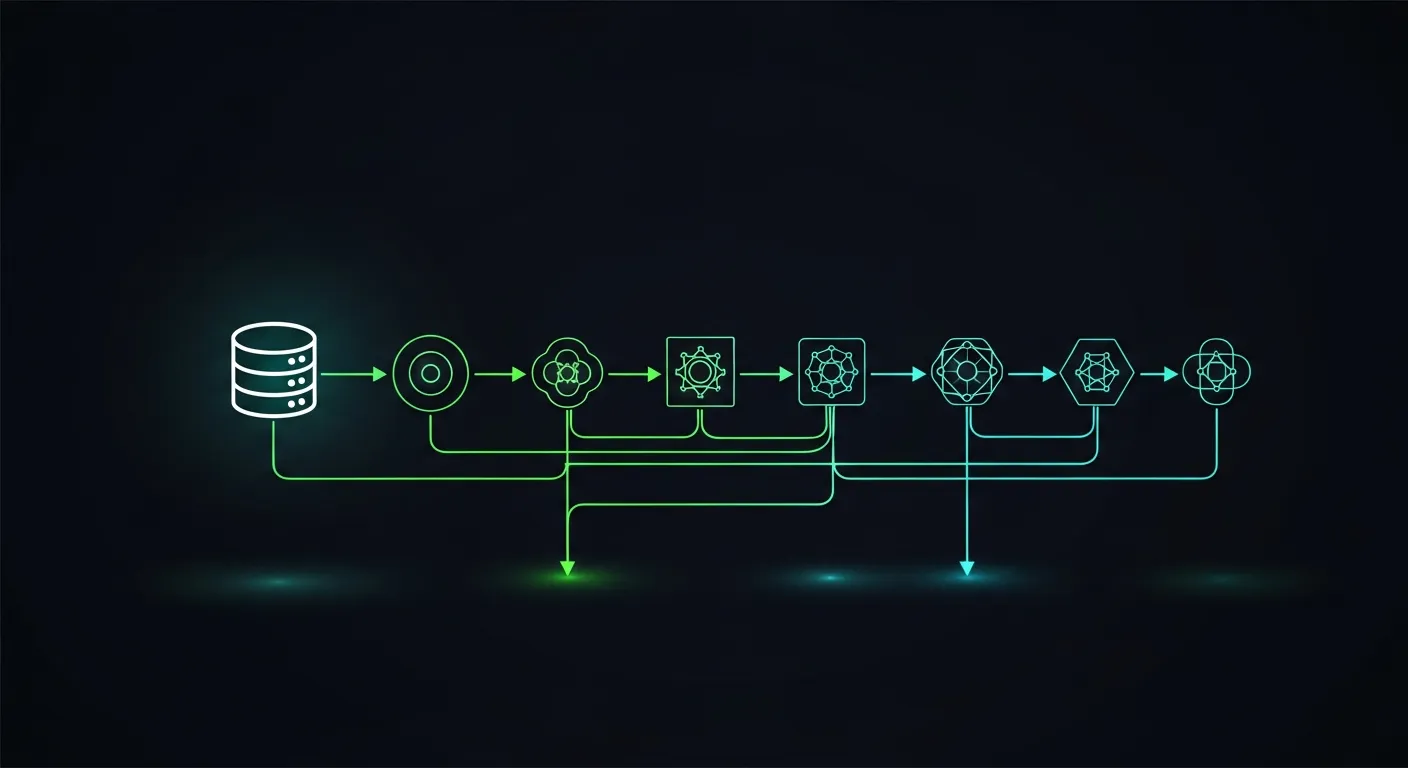
ATLAS developed a multi-factor decision engine with predictive models to estimate actual delivery performance, optimization algorithms balancing price, lead time, and vendor reliability, and custom business logic to respect MOQs, regional availability, or strategic partners. The engine generated ranked supplier recommendations per SKU and category, with justifications visible to each buyer.

Step 04
Buyer Review and Validation
We collaborated with procurement leads to validate the AI recommendations. Compared suggested vendors against real PO outcomes, highlighted cost savings and service improvements across fast-moving SKUs, and fine-tuned the model with buyer rules, overrides, and feedback. Buyers began trusting the AI, especially when it uncovered high-margin opportunities in low-volume categories.

Step 05
Procurement Workflow Integration
Once validated, the solution was integrated into the client's ERP procurement workflow. Buyers creating a PO now see AI-ranked supplier recommendations. Each vendor comes with a scorecard: cost, reliability, lead time, and risk. Buyers can accept or override with reasoning, creating a loop for continuous learning.
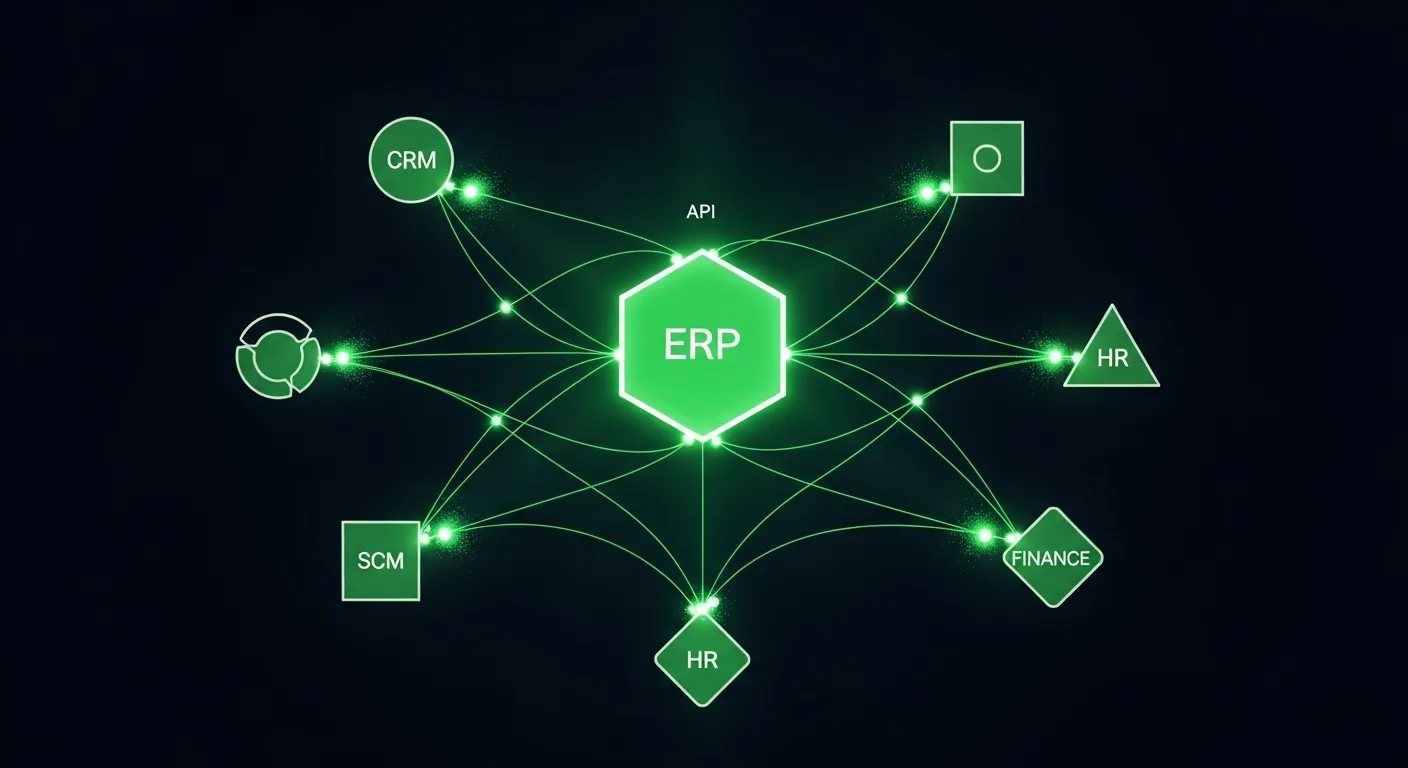
From Reactive Buying to Data-Backed Vendor Optimization
AI helped this distributor move from reactive, price-only buying to data-backed vendor optimization, all without disrupting procurement operations.
AI-Ranked Recommendations
AI-ranked supplier recommendations appear in every PO, giving buyers instant access to the best options.
Vendor Scorecards
Each vendor comes with a scorecard for cost, reliability, lead time, and risk, giving buyers full visibility.
Continuous Learning
The system learns from buyer feedback and outcomes, getting smarter with every purchase decision made.
Real outcomes from real clients
Not projections. Actual results from businesses that transformed with Captivix.
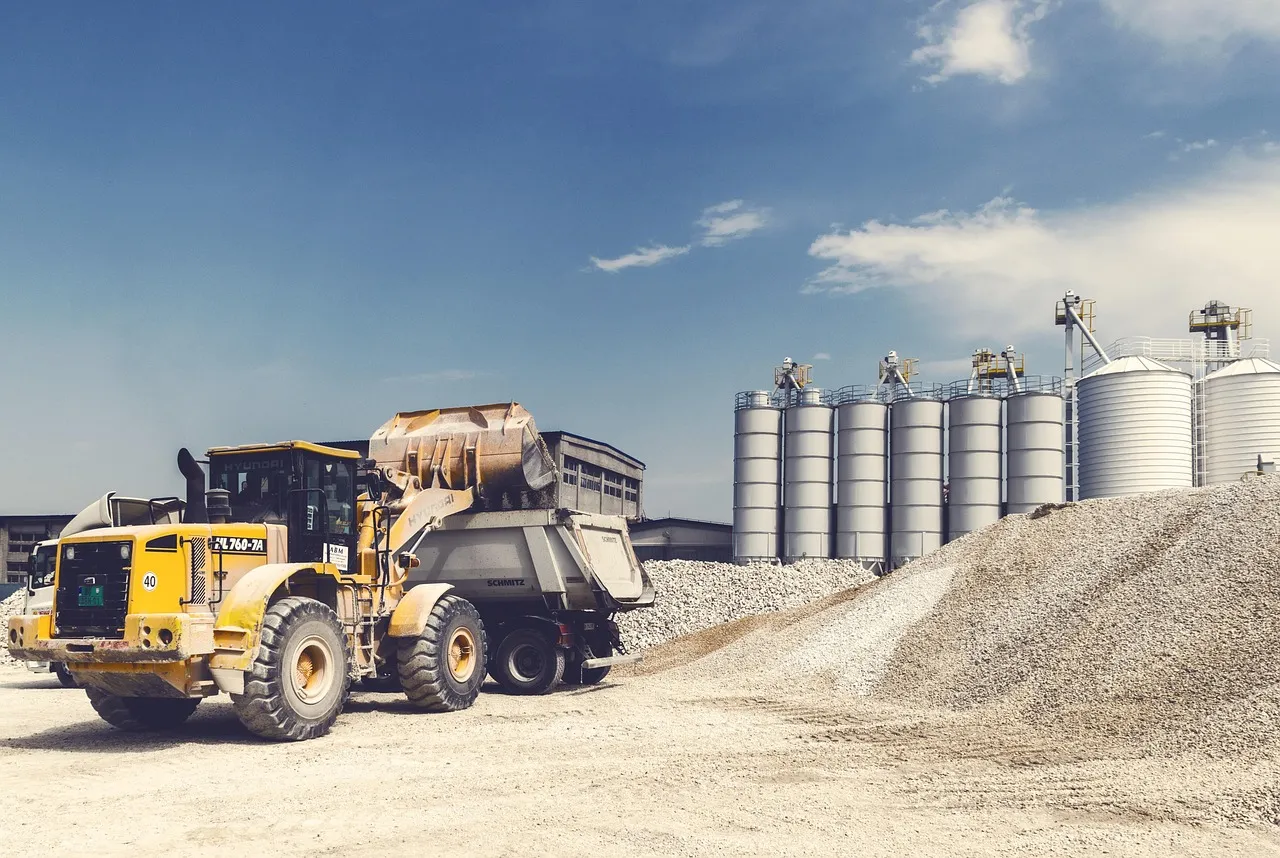
Commercial Trucks & Transportation
How Navistar Optimized Enterprise-Wide Pricing for Tens of Millions in Additional Revenue
A leading commercial truck manufacturer unified pricing across a dozen acquired companies with automated BOM cost calculation and strategic pricing optimization.
“The Captivix team played a crucial role in optimizing Navistar's pricing systems. His innovative approach to IT and pricing automation streamlined operations and significantly enhanced our sales and profitability.”
In their words
The Captivix team played a crucial role in optimizing Navistar's pricing systems. His innovative approach to IT and pricing automation streamlined operations and significantly enhanced our sales and profitability.
I would suggest that Captivix's is the same and we found this to be one of its biggest strengths. At no point during the process did we feel isolated. Our relationship has been and continues to be, one of collaborative effort.
The first phase of the project has wrapped up; the updated and more functional website has been launched to great customer satisfaction.
Our enterprise system was not tuned to what our company needed. We needed to achieve compliance and costing accuracy across our organization and deal with the challenges of cross-company and multi-country accounting.
Trusted by Leading Companies








Frequently Asked Questions
Common questions about AI-driven procurement optimization.
How long does it take to implement AI-driven procurement optimization?
A typical deployment takes 8-12 weeks from kickoff to validated results. This includes stakeholder alignment, data integration, model development, and validation with your procurement team. Full-scale rollout follows based on initial results.
Do we need to replace our existing ERP system?
No. Our AI solution integrates with your existing ERP, whether you use SAP, Oracle, Microsoft Dynamics Business Central, or other platforms. We work alongside your current procurement workflows, not replace them.
What data is required to train the AI model?
We typically need PO history, vendor pricing data, delivery logs, and supplier profiles. Our data analysis phase identifies what's available and addresses any gaps before model training begins.
How do buyers interact with AI recommendations?
Buyers see ranked supplier recommendations with clear scorecards showing cost, reliability, lead time, and risk. They can accept recommendations or override with reasoning, creating a feedback loop for continuous improvement.
What's the typical ROI for procurement optimization projects?
Clients typically see 6-10% cost savings in key categories within the first year, plus significant reductions in fulfillment delays. Specific results depend on vendor count, order volume, and category complexity.
Can this work with hundreds of vendors and SKUs?
Absolutely. Our AI models are designed for complex, high-volume procurement environments with multiple vendors, varying lead times, and dynamic pricing, exactly where manual decisions struggle most.
Ready to Optimize Your Procurement?
Let AI help your buyers make smarter decisions, faster, and with full confidence in every vendor selection.