
AI Coordinating Shipments, Drivers, and Delays Autonomously
This distributor deployed an AI agent that autonomously monitored deliveries, notified customers, and resolved shipping delays, improving on-time performance and reducing manual effort by over 60%.
Logistics Teams Were Drowning in Exceptions.
From Manual Monitoring to Self-Directed Logistics Coordination
A trusted nationwide provider of final-mile, white-glove, and specialty logistics was committed to delivering high-touch service. As delivery volumes and complexity increased, so did operational stress.
No Real-Time Alerts
No real-time alerts when deliveries were delayed or failed, leaving customer service teams to discover issues reactively.
Manual Customer Updates
Customer updates were manual, delayed, and dependent on dispatcher availability, creating inconsistent service experiences.
Exception Overload
Internal teams were overwhelmed with follow-ups and exception handling as delivery volumes and complexity increased.
Inconsistent Visibility
Delivery expectations were high, but visibility and responsiveness were inconsistent across third-party carriers.
How We Built the Logistics Coordination Agent
ATLAS partnered with the client to build a Logistics Coordination Agent that works around the clock, monitoring shipments, detecting issues, and communicating proactively with customers and internal teams.
Step 01
Use Case Selection and Agent Role Definition
Working closely with the client's operations and customer service leaders, ATLAS defined the role of a Logistics Coordination Agent that would work 24/7. The agent would monitor live delivery events and tracking feeds, detect delays, exceptions, or missing confirmations like POD, automatically notify customers via branded messages, and alert internal teams when human follow-up was needed.

Step 02
Systems Integration and Event Mapping
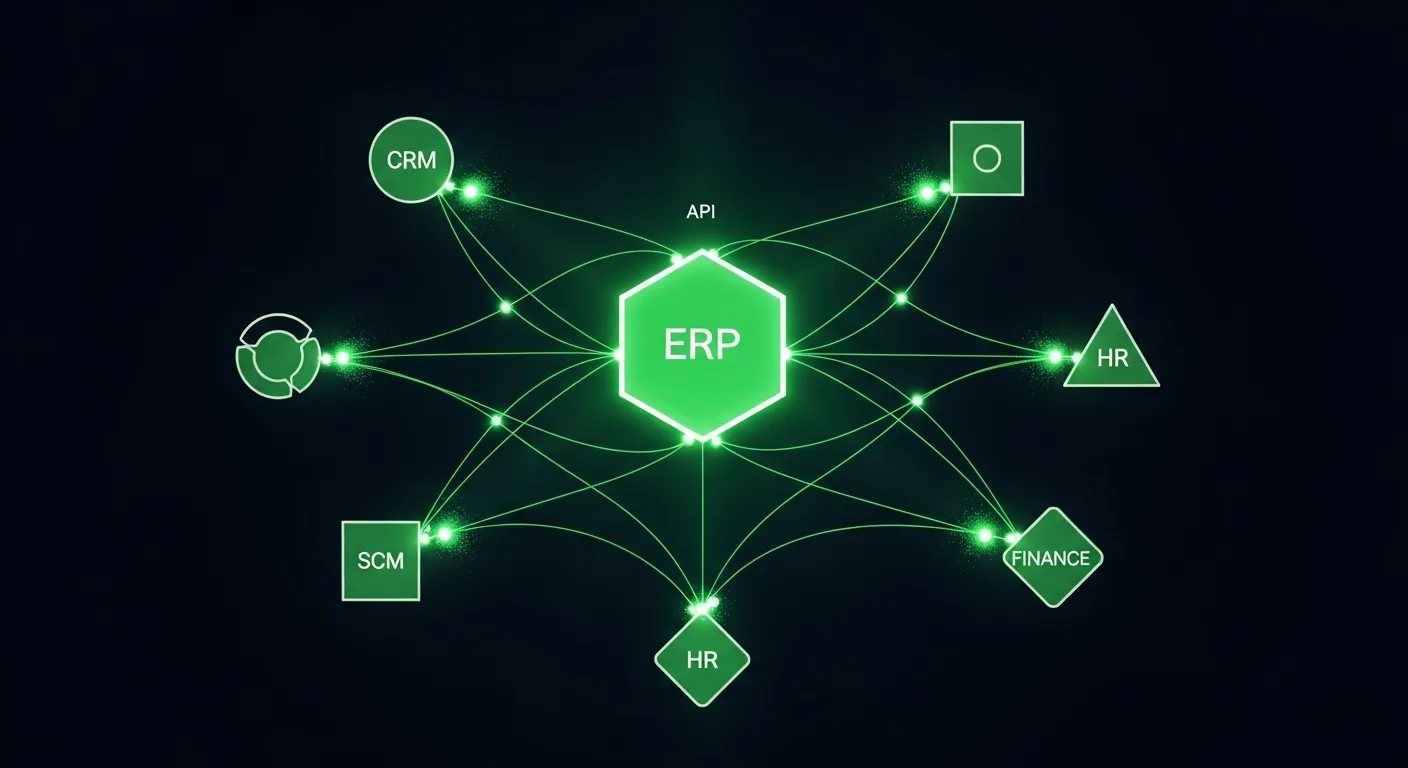
Each key delivery event, including scheduled, in transit, delayed, completed, and missed, was mapped to agent response logic. We integrated the agent with the client's delivery tracking feeds and scheduling tools, customer order and SLA data from internal systems, and communication tools including email, SMS, and internal channels like Teams.
Step 03
Agent Development and Testing
ATLAS built a fully autonomous AI agent using event-driven automation for real-time shipment status monitoring, logic-based reasoning to decide who to notify, how, and when, and multichannel communication modules for customer outreach and internal alerts. The agent was rigorously tested in parallel with human coordination processes to ensure accuracy and trust.

Step 04
Human Feedback and Adaptive Tuning
Adjustments were made to fine-tune communication timing, thresholds, and escalation logic, validated through side-by-side testing with dispatch and customer service teams, live deliveries where the agent flagged delays before staff noticed, and feedback loops from agents, CSRs, and customer satisfaction trends.

Step 05
Full-Scale Deployment
After successful testing, ATLAS deployed the AI agent across the client's delivery network. It now watches every delivery event in real time, notifies customers automatically when shipments are delayed or delivered, alerts internal teams if action is required, and frees up dispatchers and customer service reps to focus on exceptions, not logistics micromanagement.
Clarity, Speed, and Service Confidence
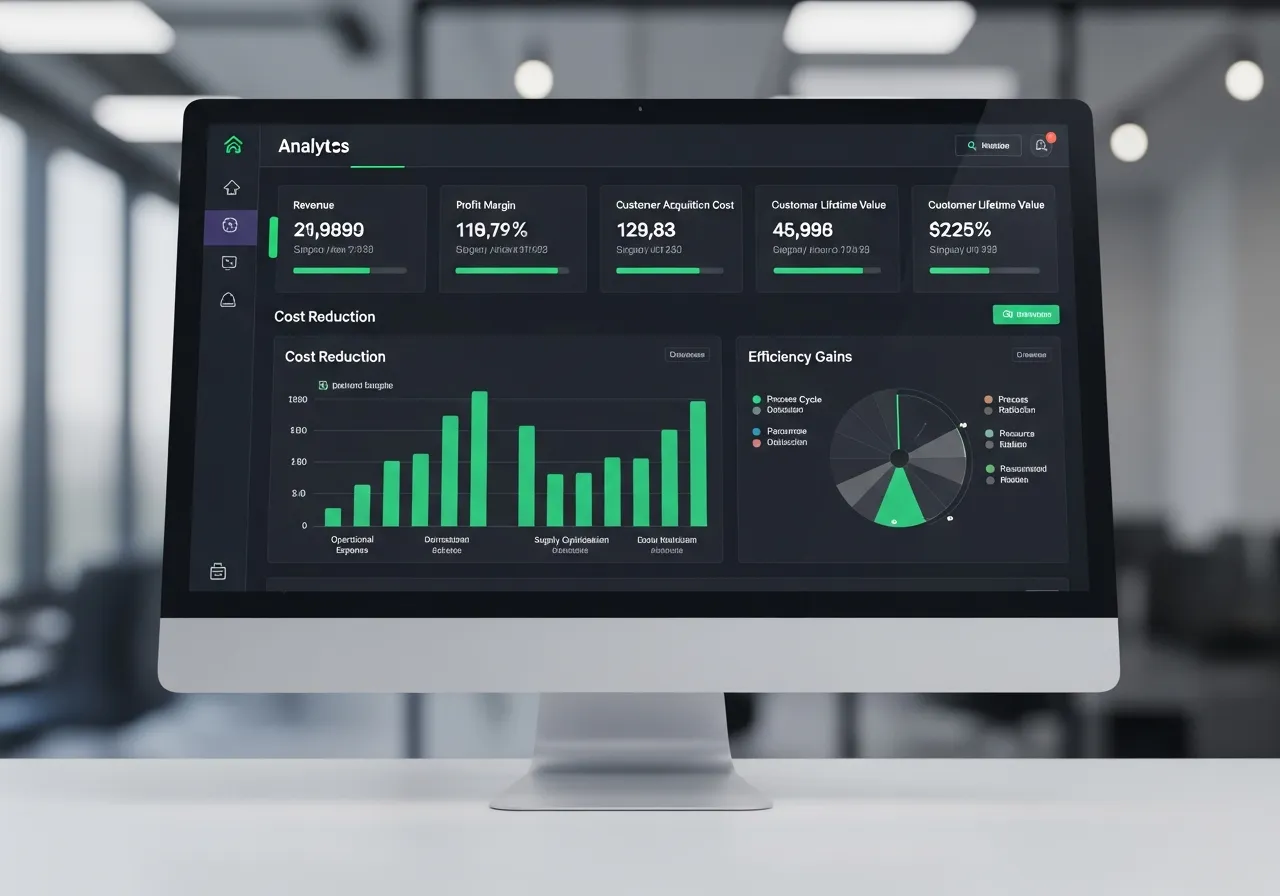
With the agent running full time, the client gained real-time visibility, automated customer communication, and freed-up dispatcher capacity for complex issues, without adding staff or changing systems.
Real-Time Visibility
Real-time visibility across all deliveries, every event tracked and actioned automatically.
Automated Customer Communication
Customers receive proactive, branded updates the moment their delivery status changes.
Freed-Up Dispatcher Capacity
Dispatchers focus on complex exceptions while the agent handles routine coordination.
Real outcomes from real clients
Not projections. Actual results from businesses that transformed with Captivix.
Commercial Trucks & Transportation
How Navistar Optimized Enterprise-Wide Pricing for Tens of Millions in Additional Revenue
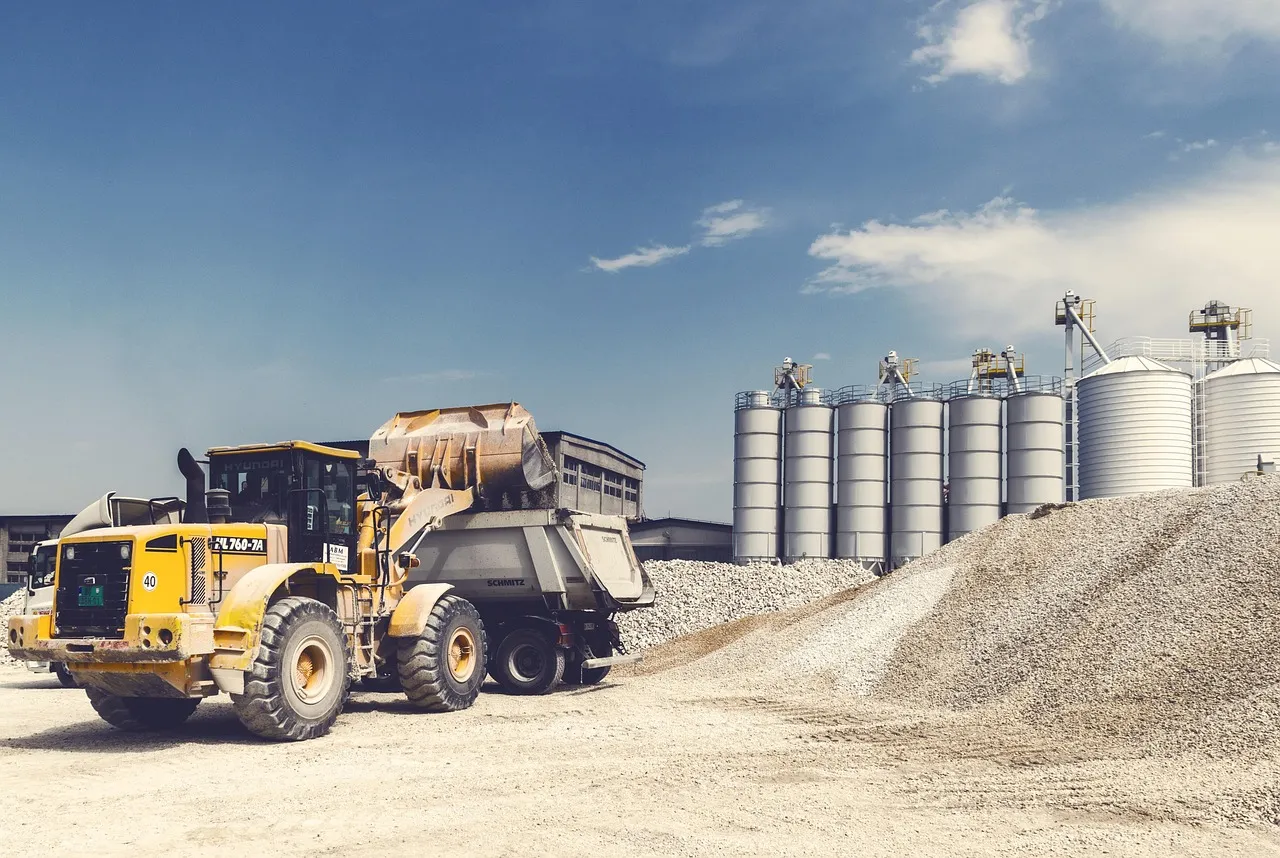
A leading commercial truck manufacturer unified pricing across a dozen acquired companies with automated BOM cost calculation and strategic pricing optimization.
“The Captivix team played a crucial role in optimizing Navistar's pricing systems. His innovative approach to IT and pricing automation streamlined operations and significantly enhanced our sales and profitability.”
In their words
The Captivix team played a crucial role in optimizing Navistar's pricing systems. His innovative approach to IT and pricing automation streamlined operations and significantly enhanced our sales and profitability.
I would suggest that Captivix's is the same and we found this to be one of its biggest strengths. At no point during the process did we feel isolated. Our relationship has been and continues to be, one of collaborative effort.
The first phase of the project has wrapped up; the updated and more functional website has been launched to great customer satisfaction.
Our enterprise system was not tuned to what our company needed. We needed to achieve compliance and costing accuracy across our organization and deal with the challenges of cross-company and multi-country accounting.
Trusted by Leading Companies










Frequently Asked Questions
Common questions about AI logistics coordination agents.
How long does it take to implement an AI logistics coordination agent?
A typical deployment takes 8-12 weeks from kickoff to validated results. This includes defining agent roles, integrating with your tracking systems, testing alongside human dispatchers, and tuning the agent based on real-world feedback.
Do we need to replace our existing TMS or delivery tracking systems?
No. Our AI agents integrate with your existing systems, whether you use specialized TMS platforms, carrier APIs, or custom tracking solutions. We work alongside your current tools, not replace them.
What data is required to train the logistics coordination agent?
We typically need access to delivery tracking feeds, customer order data, SLA requirements, and historical exception patterns. Our integration phase maps these data sources to agent decision logic.
How does the agent handle complex exceptions that require human judgment?
The agent is designed to escalate appropriately. For routine delays, it handles customer communication autonomously. For complex situations like customer disputes or carrier failures, it alerts the right internal team with full context for rapid resolution.
What's the typical ROI for logistics coordination automation?
Clients typically see 2-4x ROI within the first year through reduced manual follow-ups, faster exception resolution, improved customer satisfaction, and freed-up dispatcher capacity. Specific results depend on delivery volume and complexity.
Can this work for third-party carrier and multi-carrier environments?
Absolutely. Our AI agents are specifically designed for complex logistics environments involving multiple carriers, third-party providers, and varying tracking data formats. The agent normalizes data across sources to provide unified coordination.
Ready to Streamline Your Logistics?
Let an AI agent handle shipment monitoring, customer communication, and exception management around the clock.