
AI-Driven Demand Forecasting for Distribution
How one company turned supply chain unpredictability into operational advantage using machine learning, reducing overstock, improving forecast accuracy, and ensuring high-demand items are always in stock.
Transforming distribution with predictive accuracy.
Overcoming Forecasting Inaccuracy in Distribution Operations
A full-line wholesale distributor specializing in food products and kitchen supplies managed an inventory exceeding 20,000 products, including dried goods and kitchenware. They catered to a diverse clientele across various regions.
Seasonal Variations
Fluctuating demand for certain ingredients during specific times of the year.
Market Trends
Rapid shifts in consumer preferences impacting product demand.
Inventory Management
Balancing stock levels to prevent overstocking or stockouts across 20,000+ SKUs.
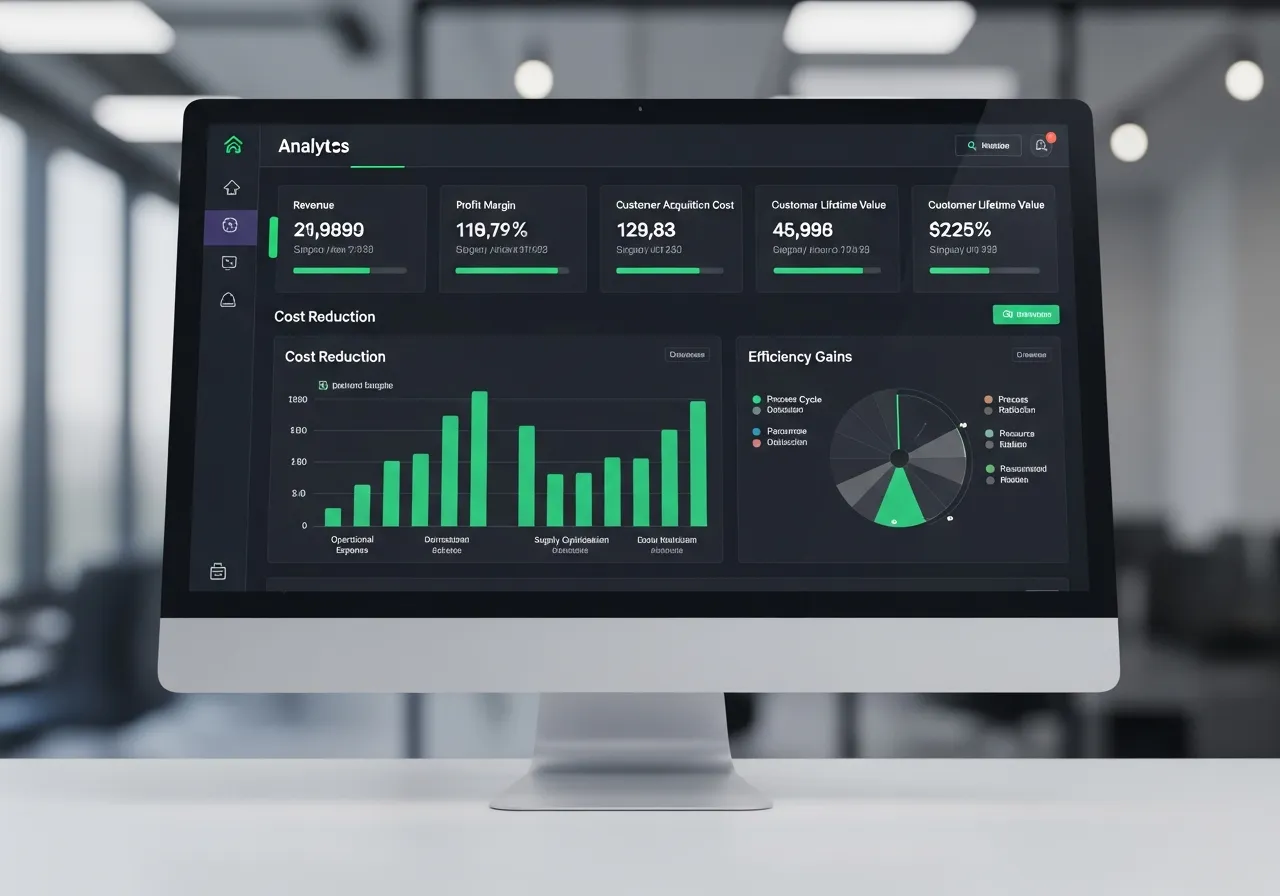
How We Delivered AI-Driven Demand Forecasting
ATLAS initiated the engagement with a collaborative workshop, bringing together key stakeholders to identify pain points and opportunities. Demand forecasting stood out as a high-impact, automation-ready use case.
Step 01
Use Case Definition
ATLAS led a collaborative workshop with the client's key stakeholders to identify automation-ready opportunities. Aligned on business goals and operational pain points. Prioritized use cases by value vs. effort. Demand forecasting ranked highest in feasibility and strategic impact.

Step 02
Data Review and Feasibility
Our data engineers analyzed three years of operational history to evaluate readiness. Mapped order history, supplier lead times, SKU movement. Identified seasonal and promotional demand signals. Resolved data gaps and inconsistencies for reliable model training.
Step 03
Pilot Development
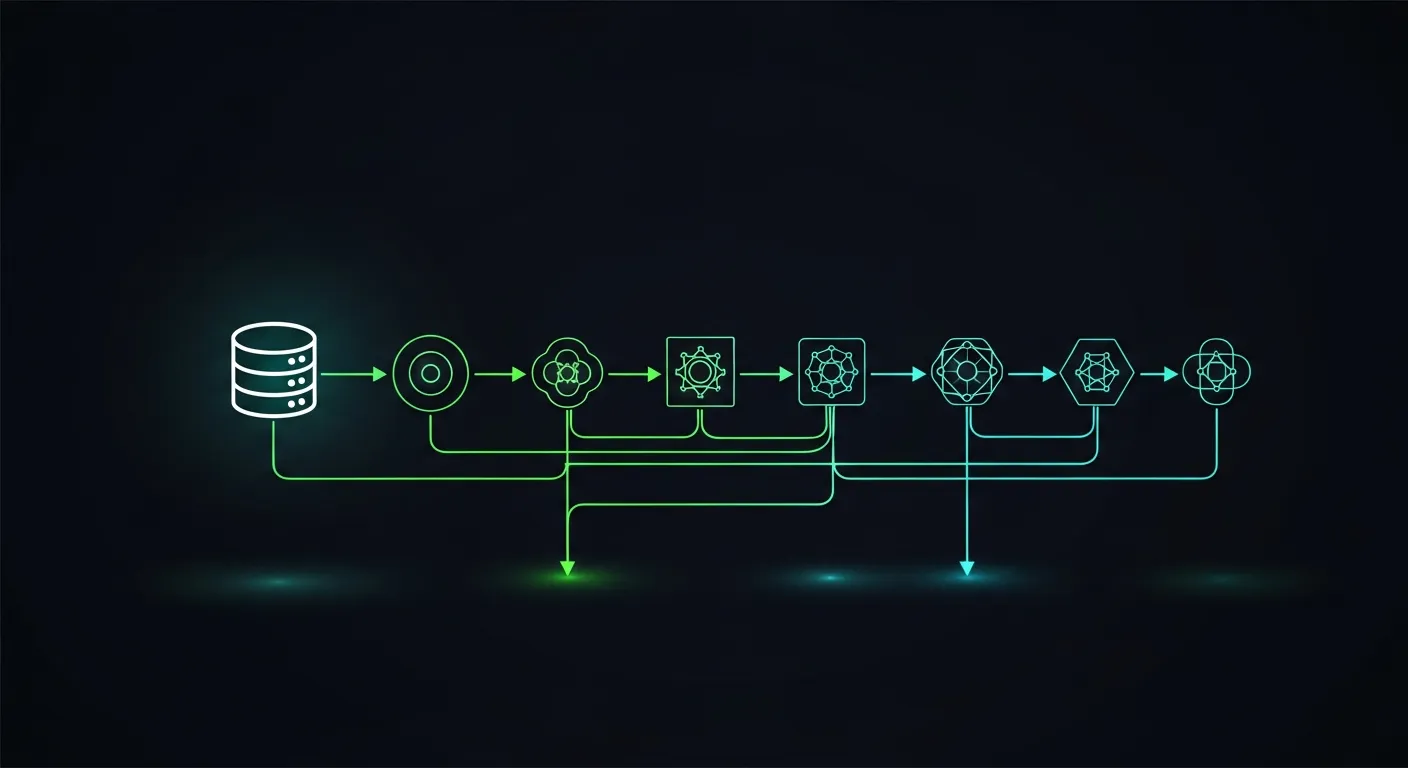
We built and tested a hybrid forecasting model tailored to the client's operations. Used Facebook Prophet and XGBoost to capture time-series and trend data. Trained models using SKU-level history, seasonality, and external variables. Tuned hyperparameters and validated results through backtesting.

Step 04
Validation and Demo
The model's performance was benchmarked against the client's manual forecasts. Compared outputs over several product categories and time windows. Delivered a live demo to stakeholders, showing measurable improvements. Enabled confidence in next-step implementation.

Step 05
Recommendations for Scaling
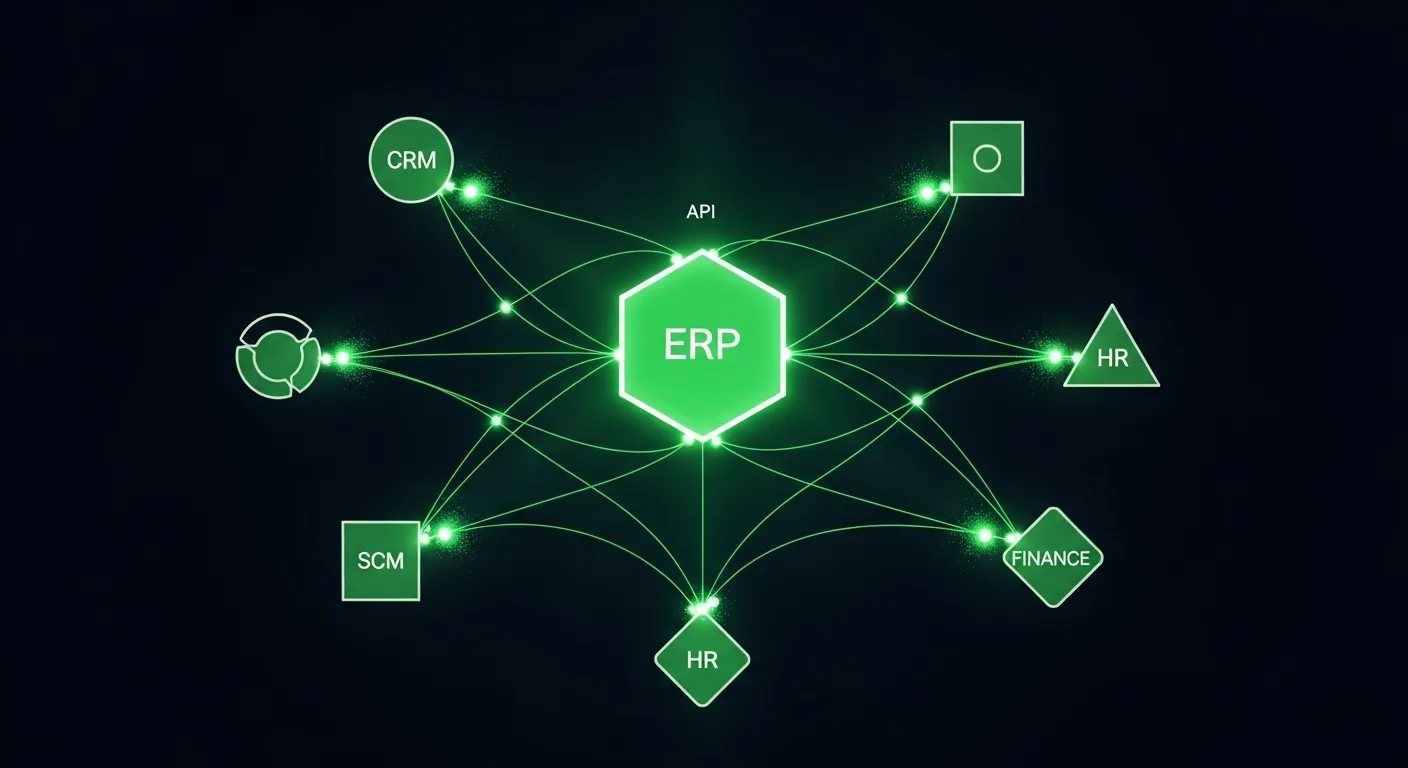
We outlined a clear roadmap to move the solution into full production. Integration with client's procurement and ERP systems. Dashboarding and alert features for planners. Ongoing model refinement and training based on feedback loops.
Stronger Forecasts. Leaner Inventory. Smarter Decisions.
Real results, real impact. These outcomes reflect what our clients achieve when AI forecasting is applied to real distribution operations.
Real outcomes from real clients
Not projections. Actual results from businesses that transformed with Captivix.

Commercial Trucks & Transportation
How Navistar Optimized Enterprise-Wide Pricing for Tens of Millions in Additional Revenue
A leading commercial truck manufacturer unified pricing across a dozen acquired companies with automated BOM cost calculation and strategic pricing optimization.
“The Captivix team played a crucial role in optimizing Navistar's pricing systems. His innovative approach to IT and pricing automation streamlined operations and significantly enhanced our sales and profitability.”
In their words
The Captivix team played a crucial role in optimizing Navistar's pricing systems. His innovative approach to IT and pricing automation streamlined operations and significantly enhanced our sales and profitability.
I would suggest that Captivix's is the same and we found this to be one of its biggest strengths. At no point during the process did we feel isolated. Our relationship has been and continues to be, one of collaborative effort.
The first phase of the project has wrapped up; the updated and more functional website has been launched to great customer satisfaction.
Our enterprise system was not tuned to what our company needed. We needed to achieve compliance and costing accuracy across our organization and deal with the challenges of cross-company and multi-country accounting.
Trusted by Leading Companies










Frequently Asked Questions
Common questions about AI-driven demand forecasting.
How long does it take to implement AI-driven demand forecasting?
A typical deployment takes 8-12 weeks from kickoff to validated results. This includes the workshop, data analysis, model development, and validation. Full-scale implementation follows based on initial results and integration requirements.
Do we need to change our existing ERP or inventory systems?
No. Our AI solution integrates with your existing systems, whether you use SAP, Oracle, Microsoft Dynamics Business Central, or other ERP platforms. We work alongside your current tools, not replace them.
What data is required to train the forecasting model?
We typically need historical sales data, order history, inventory levels, and any seasonal or promotional calendars. Our data analysis phase identifies what's available and addresses any gaps before model training begins.
How accurate are AI-generated forecasts compared to manual methods?
In our implementations, AI-generated forecasts typically achieve 20-30% improvement in accuracy over traditional methods. The model continuously improves with feedback and new data.
What's the typical ROI for demand forecasting projects?
Clients typically see 2-4x ROI within the first year through reduced excess inventory, fewer stockouts, lower carrying costs, and optimized procurement. Specific results depend on inventory volume and complexity.
Can this work for products with highly variable demand patterns?
Absolutely. Our AI models are specifically designed to handle complex demand patterns including seasonality, promotions, new product launches, and external factors like weather or economic conditions.
Ready to Improve Your Demand Forecasting?
Let AI handle the complexity of demand prediction so your team can focus on strategy, not spreadsheets.