
Unlocking Production Line Efficiency with AI-Powered Scheduling
Reduce machine idle time by 18% and improve on-time orders by 25%. This mid-sized manufacturer transformed production efficiency through an AI-powered scheduling solution -- without replacing their ERP system.
When Growth Meets Scheduling Chaos
A growing Midwest manufacturer of industrial-grade components was facing a common issue: success brought complexity. They ran multiple short-run jobs across several work centers, relying on printed schedules and manual updates to sequence work. Their ERP generated static job lists, but it could not adapt to rush orders, machine downtime, or real-time floor changes.
Static ERP job lists did not reflect real-time shop floor realities
Planners spent hours each day manually sequencing jobs across machines
Machines were underutilized due to poor handoff timing and changeovers
Last-minute rush orders disrupted schedules and delayed deliveries
Steps to Success
Captivix first delivered a working AI proof of concept for intelligent scheduling using the client's historical data. After validating results with real teams on the shop floor, we scaled the model into a fully integrated scheduling engine -- now driving production efficiency every day.
Step 01
Use Case Definition and Scope
The client approached Captivix with a clear need: improve production scheduling efficiency without overhauling their existing ERP. Together, we scoped a focused engagement on reducing machine idle time, improving on-time order completion, and automating job sequencing with minimal human intervention.
Learn More
Step 02
Data Review and Feasibility Assessment
To ensure the AI model could learn real-world patterns, our team collected and analyzed extensive operational data.
- Collected 3 years of production data, including job histories, shift schedules, and downtime logs
- Analyzed ERP-generated schedules vs. actual shop floor performance
- Cleaned and structured the data for model training
Step 03
Pilot Development and Testing
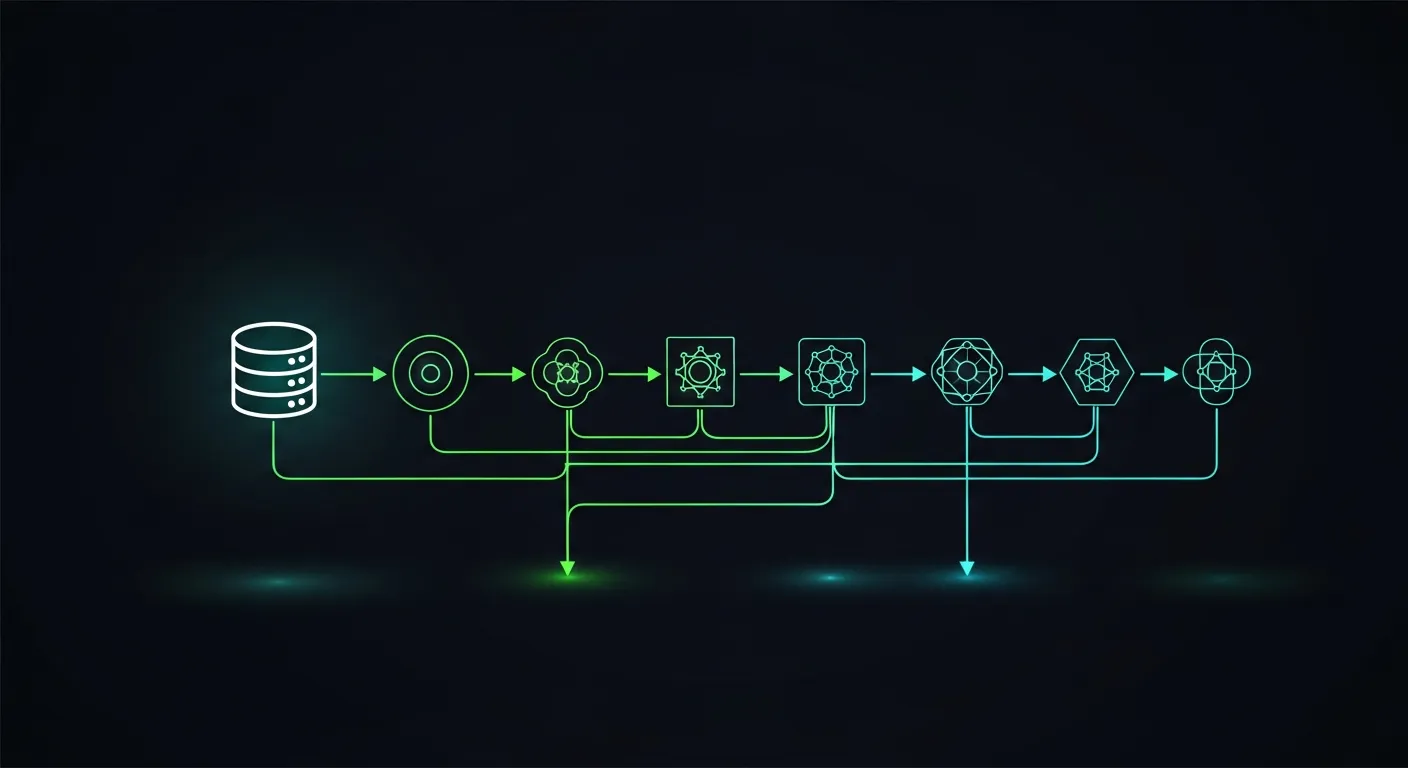
We developed a reinforcement learning-based AI scheduler that could dynamically optimize production sequences.
- Optimize job sequences across multiple machines and shifts
- Adapt to dynamic inputs like priority changes or downtime events
- Simulate and recommend better sequences compared to manual plans

Step 04
On-Floor Validation and Feedback
The client's scheduling team and line supervisors reviewed AI-generated schedules vs. their own, providing critical real-world validation.
- The AI schedules consistently improved machine utilization
- Manual schedule revisions dropped significantly
- Floor teams trusted and adopted the system with minimal pushback
- Feedback loops helped fine-tune priority logic and exceptions

Step 05
Automation and System Integration
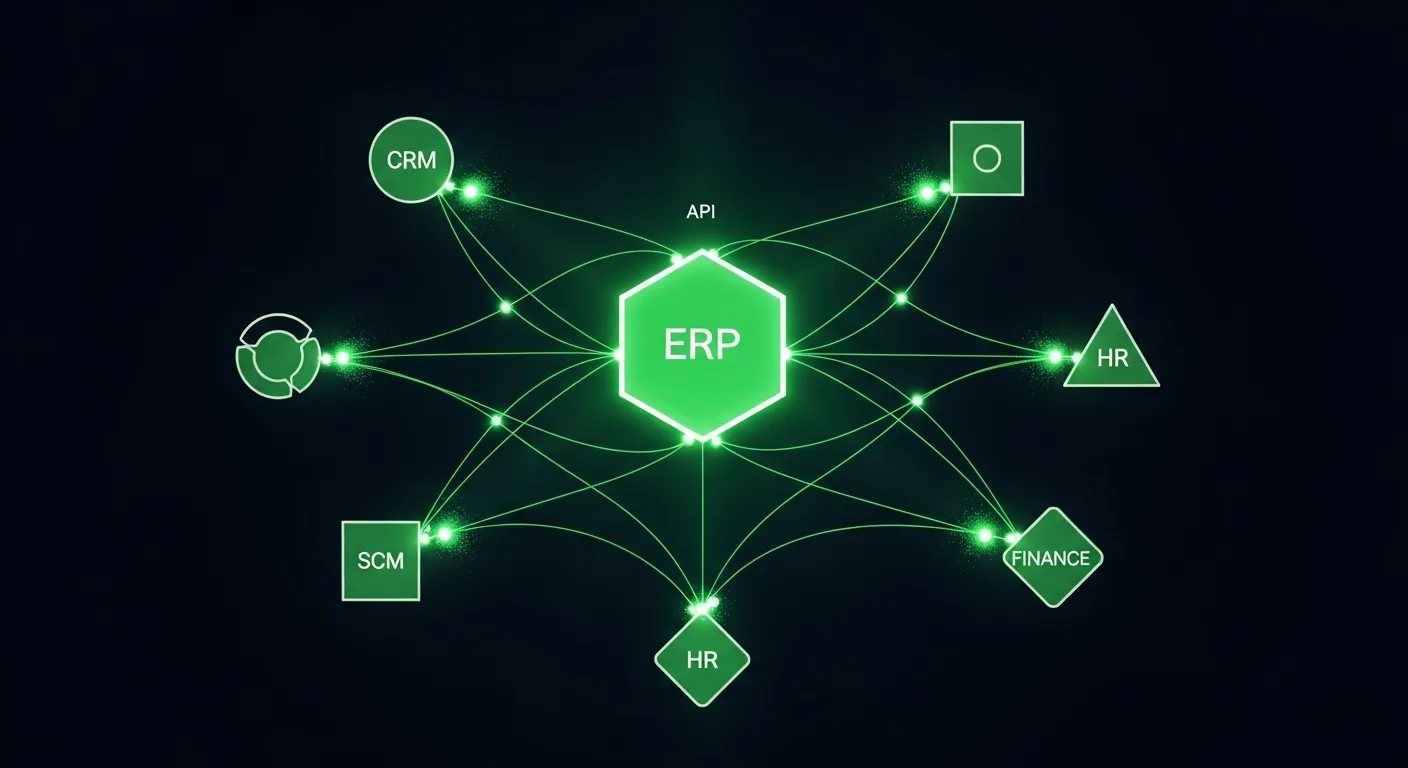
With proven results, we are moving towards a full automation deployment with seamless ERP integration.
- Integrating the scheduling engine with the client's ERP system to pull live data
- Building custom dashboards for supervisors to review and adjust schedules
- Enabling real-time re-optimization based on floor activity and disruptions
From Firefighting to Flow -- Smarter Scheduling at Scale
The AI scheduler transformed how the client runs production -- shifting from reactive planning to proactive execution, without changing their ERP or team structure.
18% reduction in machine idle time
25% improvement in on-time production orders
60% reduction in manual scheduling time
Supervisors now focus on exceptions, not juggling job lists
Real outcomes from real clients
Not projections. Actual results from businesses that transformed with Captivix.
Industrial Materials & Manufacturing
How Chicago Brass Achieved 99% Inventory Accuracy Through ERP Modernization
A leading manufacturer and distributor of industrial brass materials modernized operations with ERP upgrade, supply chain optimization, and AI-driven insights.
“I would suggest that Captivix's is the same and we found this to be one of its biggest strengths. At no point during the process did we feel isolated. Our relationship has been and continues to be, one of collaborative effort.”
In their words
I would suggest that Captivix's is the same and we found this to be one of its biggest strengths. At no point during the process did we feel isolated. Our relationship has been and continues to be, one of collaborative effort.
The Captivix team played a crucial role in optimizing Navistar's pricing systems. His innovative approach to IT and pricing automation streamlined operations and significantly enhanced our sales and profitability.
Captivix helped us transform our e-commerce operations, making our platform more efficient, intelligent, and customer-friendly.
Our transition to a modernized e-commerce platform with Captivix has been tremendous. Their system integration expertise significantly enhanced our operational efficiency.
Trusted by Leading Companies










Frequently Asked Questions
Common questions about AI-powered production scheduling
How does AI scheduling work with our existing ERP?
Our AI scheduler integrates with your existing ERP system via APIs or data exports. It reads job orders, machine availability, and constraints from your ERP, then generates optimized sequences that can be pushed back or reviewed in dashboards.
Will this replace our production planners?
No. AI handles the complex sequencing and optimization, freeing planners to focus on exceptions, customer priorities, and strategic decisions. It is a tool that amplifies their expertise, not replaces it.
How quickly can we see results from a scheduling deployment?
Most clients see measurable improvements within 6-8 weeks of go-live. Initial results typically show 10-15% reduction in idle time, with further gains as the model learns your specific patterns.
What happens when there is a machine breakdown or rush order?
The AI scheduler can re-optimize in real-time when disruptions occur. It factors in new constraints and generates updated sequences within minutes, helping you respond quickly without manual replanning.
Do we need clean, perfect data to get started?
No. We can work with imperfect data and improve data quality as part of the implementation. Our data review phase identifies gaps and establishes processes to capture better data going forward.
How do floor supervisors interact with AI-generated schedules?
Supervisors access schedules through intuitive dashboards where they can review, adjust, and approve AI recommendations. The system learns from their adjustments to improve future suggestions.
Ready to Optimize Your Production Schedule?
Let's discuss how AI-powered scheduling can reduce idle time and improve on-time delivery for your manufacturing operations.