
AI Predicting the Ripple Effect of Engineering Changes Before They Hit the Floor
Reduce production disruptions by 40% with proactive change impact detection. With AI-powered impact analysis, this manufacturer reduced costly surprises by mapping design changes to procurement and production effects -- in real time.
Design Changes Were Causing Operational Disruptions
A mid-sized manufacturer known for custom, complex assemblies was frequently updating designs during the engineering phase -- often days before builds began. These changes were necessary, but they caused major downstream issues.
A last-minute part change might delay procurement. A shifted sub-assembly could invalidate work instructions. In some cases, production teams discovered the change only after starting the job, resulting in rework and material waste.
The company needed visibility -- a way to assess the full impact of each change before it triggered a domino effect in operations.
Design changes were not mapped to supply chain or shop floor processes in real time
Engineers had no quick way to see the downstream impact of their updates
Procurement delays and production errors increased when changes were missed
Operations teams were reacting to problems instead of preventing them
Steps to Success
A five-phase engagement from scoping to real-time automated change impact detection across engineering, procurement, and production.
Step 01
Scoping and Use Case Definition
Captivix partnered with engineering and operations leads to define the engagement scope: build an AI system that could identify all downstream impacts of a design change -- across purchasing, manufacturing, and floor instructions -- without relying on manual reviews.
- Identify what type of design changes create the most disruption
- Align engineering, procurement, and production on a shared impact model
- Define alert criteria based on business risk and operational urgency
- Ensure the solution could run independently without interrupting day-to-day work
Step 02
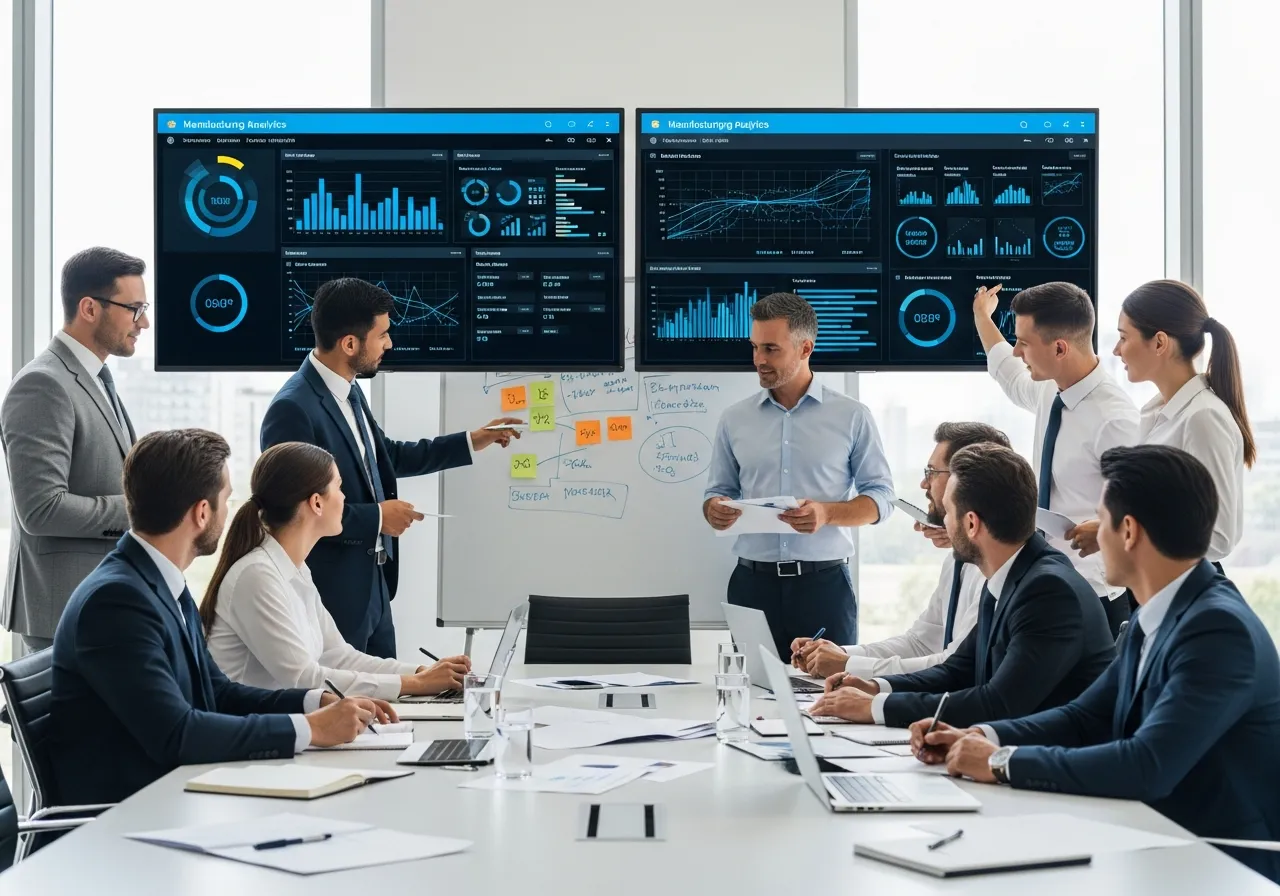
Data Mapping and Dependency Modeling
We aggregated and mapped data from multiple systems to build a comprehensive dependency graph.
- Engineering change logs
- BOM structures and sub-assemblies
- Procurement lead times and vendor data
- Routing sheets, work instructions, and production order flows
Step 03
AI Model Development and Testing
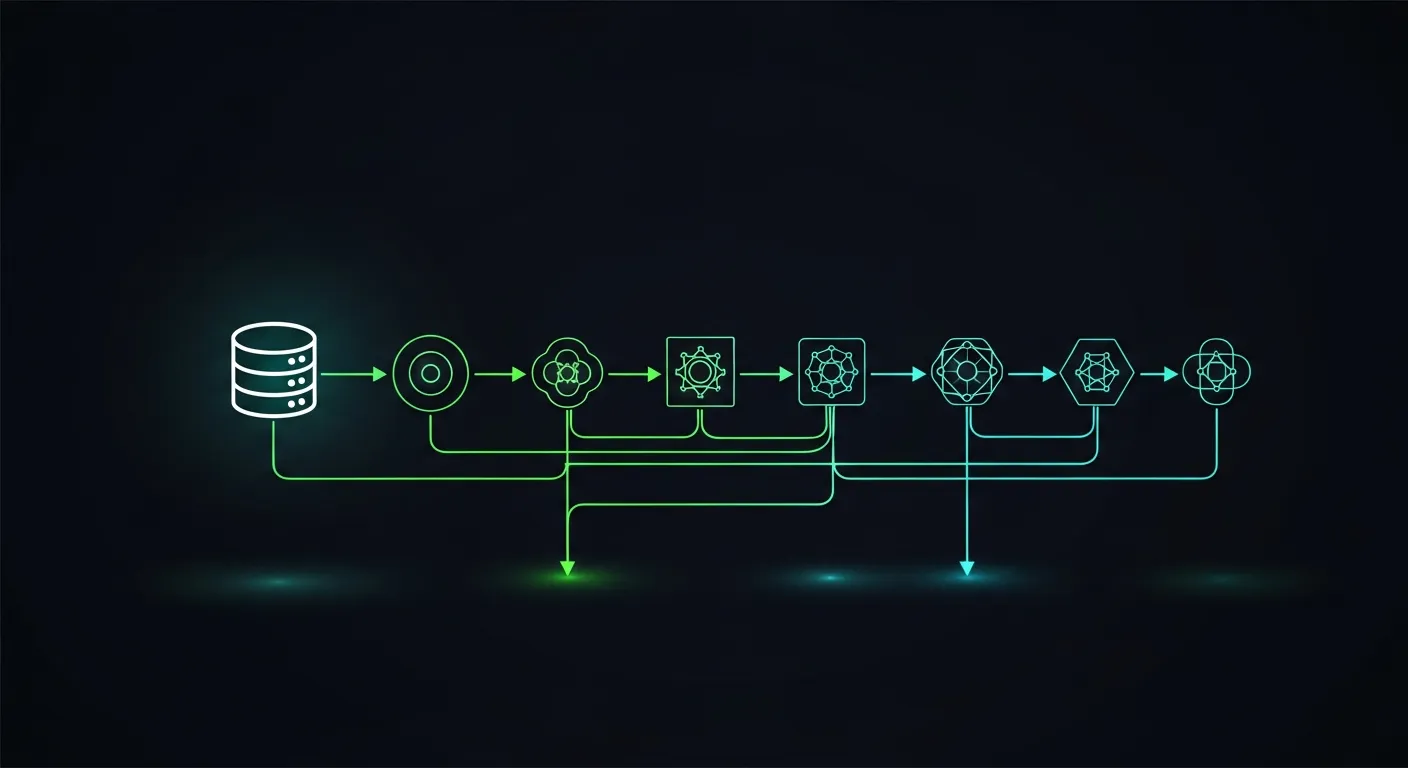
Captivix developed a hybrid model using multiple AI techniques to accurately trace and predict change impacts.
- Graph Neural Networks to trace dependencies across assemblies, suppliers, and operations
- Natural Language Processing (NLP) to extract and classify changes from design notes
- Business rules to flag priority levels and exclude low-risk changes
- Leveraged AutoML frameworks to accelerate model tuning and performance testing

Step 04
Cross-Functional Validation
Procurement, engineering, and production teams reviewed AI-generated impact assessments to validate accuracy and refine the model.
- The model accurately flagged past incidents that had previously slipped through
- Teams provided input to fine-tune alert sensitivity and urgency logic
- AI outputs were refined to align with how each team defines impact
Step 05
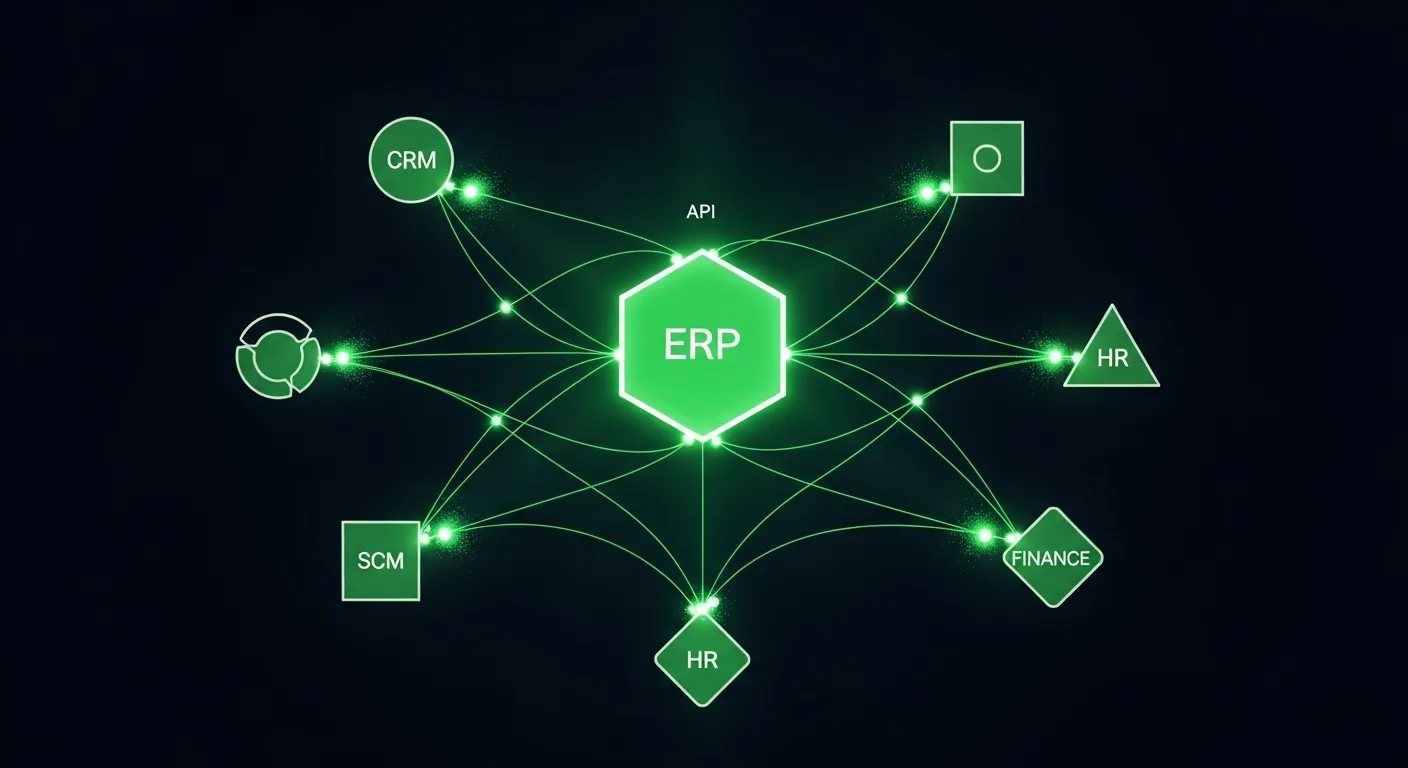
Real-Time Automation and ERP Integration
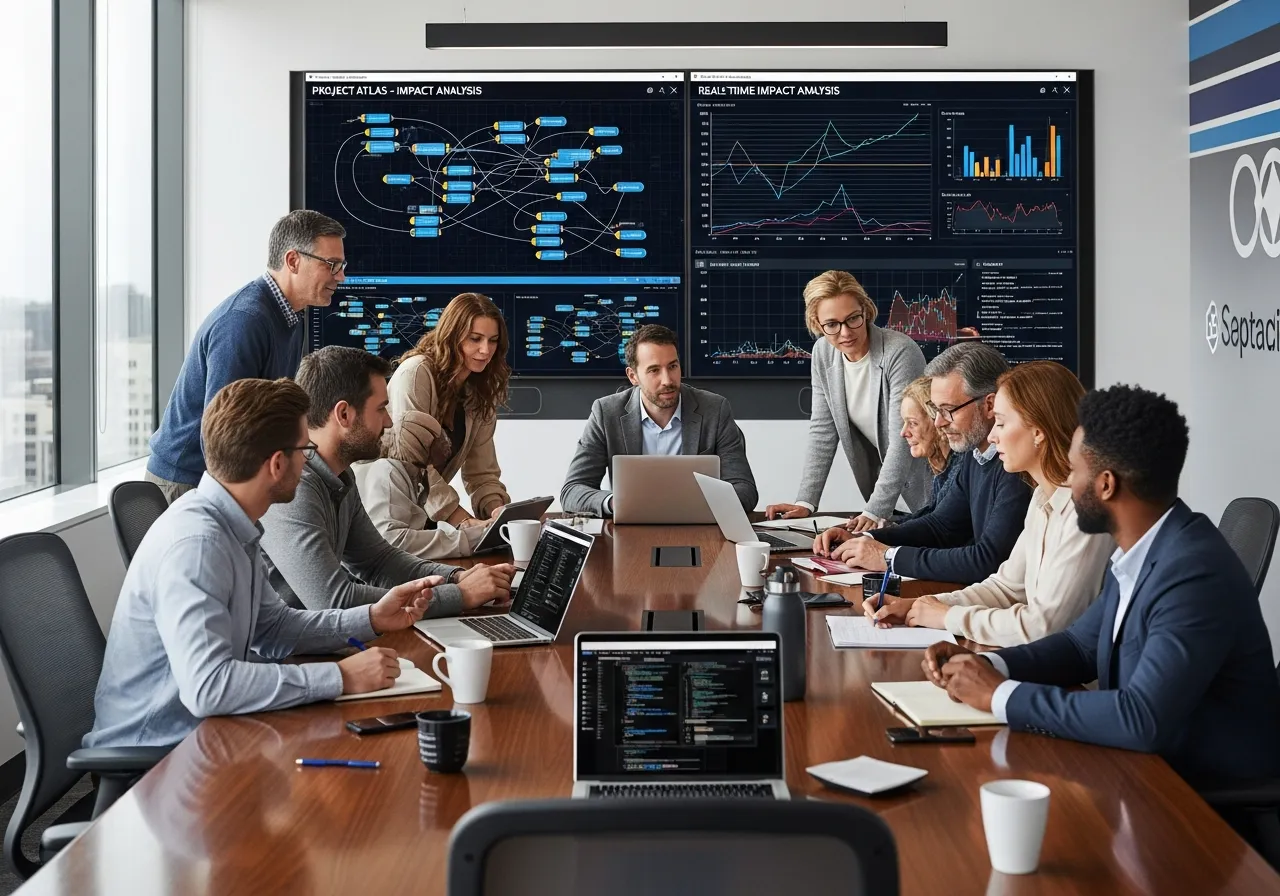
With the model validated, Captivix deployed the system in real time for continuous monitoring and automated alerts.
- Every design change is now scanned automatically for downstream impacts
- Affected teams are alerted within minutes via dashboard and email
- The model connects with both the ERP and PLM for seamless visibility
From Surprise Delays to Proactive Decision-Making
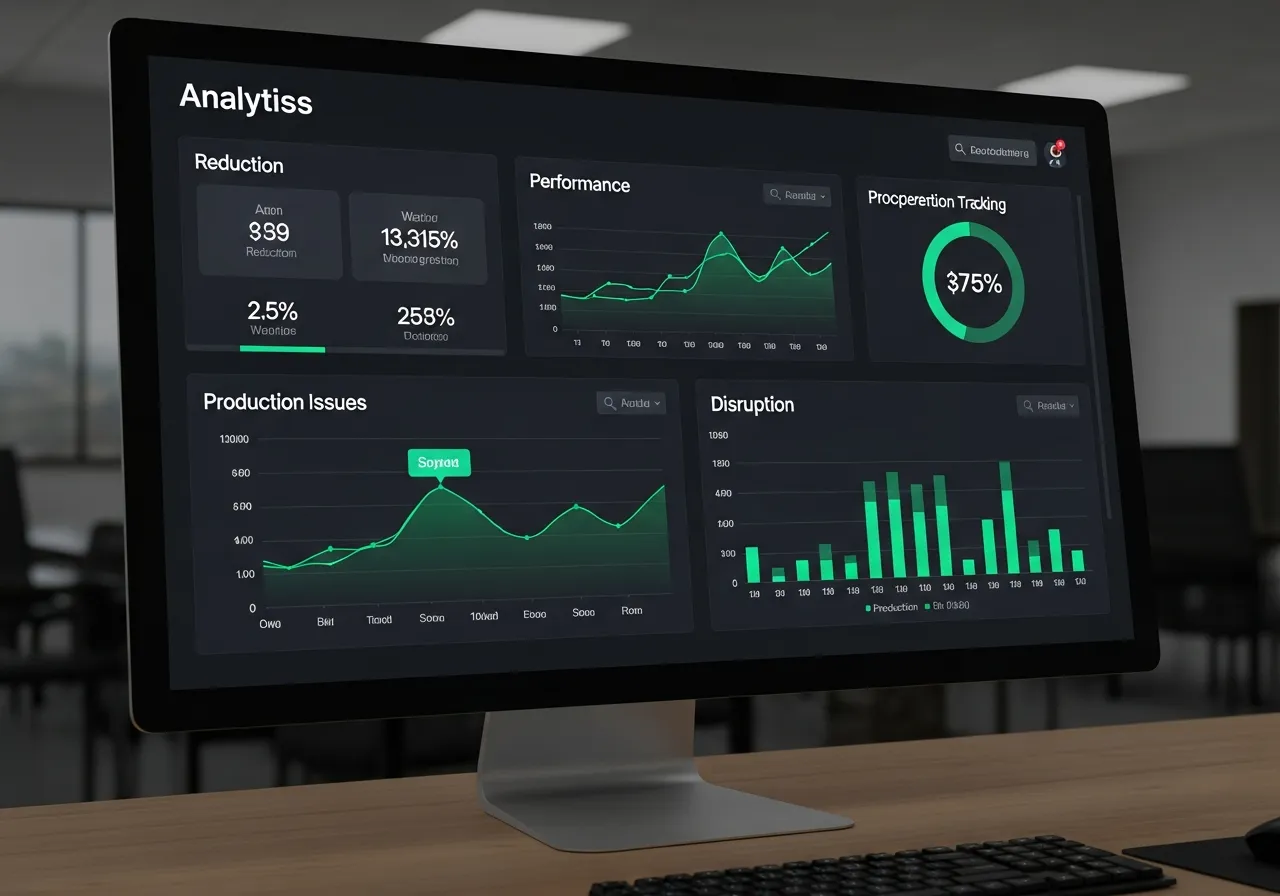
With AI-powered change impact detection in place, the client shifted from reactive firefighting to confident, coordinated execution across departments.
40% reduction in production disruptions from late design changes
33% decrease in procurement delays linked to overlooked changes
Prevented several rework/scrap events entirely
Teams now get proactive alerts for high-risk design updates within minutes
Real outcomes from real clients
Not projections. Actual results from businesses that transformed with Captivix.
Industrial Materials & Manufacturing
How Chicago Brass Achieved 99% Inventory Accuracy Through ERP Modernization
A leading manufacturer and distributor of industrial brass materials modernized operations with ERP upgrade, supply chain optimization, and AI-driven insights.
“I would suggest that Captivix's is the same and we found this to be one of its biggest strengths. At no point during the process did we feel isolated. Our relationship has been and continues to be, one of collaborative effort.”
In their words
I would suggest that Captivix's is the same and we found this to be one of its biggest strengths. At no point during the process did we feel isolated. Our relationship has been and continues to be, one of collaborative effort.
The Captivix team played a crucial role in optimizing Navistar's pricing systems. His innovative approach to IT and pricing automation streamlined operations and significantly enhanced our sales and profitability.
Captivix helped us transform our e-commerce operations, making our platform more efficient, intelligent, and customer-friendly.
Our transition to a modernized e-commerce platform with Captivix has been tremendous. Their system integration expertise significantly enhanced our operational efficiency.
Trusted by Leading Companies










Frequently Asked Questions
Common questions about AI-powered engineering change impact analysis
What types of engineering changes can the AI detect?
The AI can detect changes to parts, materials, tolerances, assembly instructions, and BOM structures. It analyzes design notes, CAD metadata, and change request documentation to identify modifications that could affect downstream operations.
How does the system integrate with our PLM and ERP?
We connect via APIs or scheduled data exports from your PLM (Teamcenter, Windchill, etc.) and ERP systems. The AI monitors change logs in real-time and cross-references with production and procurement data to assess impact.
How accurate are the impact predictions?
After initial training and validation, our models typically achieve 85-95% accuracy in flagging high-impact changes. The system continuously improves through feedback from cross-functional teams.
Can we customize which changes trigger alerts?
Absolutely. You can define alert thresholds based on change type, affected cost, lead time impact, or production schedule proximity. Low-risk changes can be logged without alerts to reduce noise.
How quickly are teams notified of potential issues?
Alerts are generated within minutes of a change being logged. Affected teams receive notifications via email, dashboard alerts, or integration with tools like Slack or Teams.
What if the AI flags too many false positives?
The validation phase helps calibrate alert sensitivity. Teams can mark false positives, and the model learns to reduce them over time. We also implement business rules to filter out known low-risk patterns.
Ready to Streamline Engineering Changes?
Let's discuss how AI-powered engineering change analysis can help you prevent costly disruptions across procurement and production.